
LearnBiomimicry Practitioner Programme
“Once modern humans began their migration out of Africa some 60,000 years ago, they kept going until they had spread to all corners of the Earth. How far and fast they went depended on climate, the pressures of population, and the invention of boats and other technologies.
Less tangible qualities also spend their footsteps: imagination, adaptability, and an innate curiosity about what lay over the next hill.”
“The Path of Human Migration”
“Immigration remains one of the most pressing issues in the world today.”
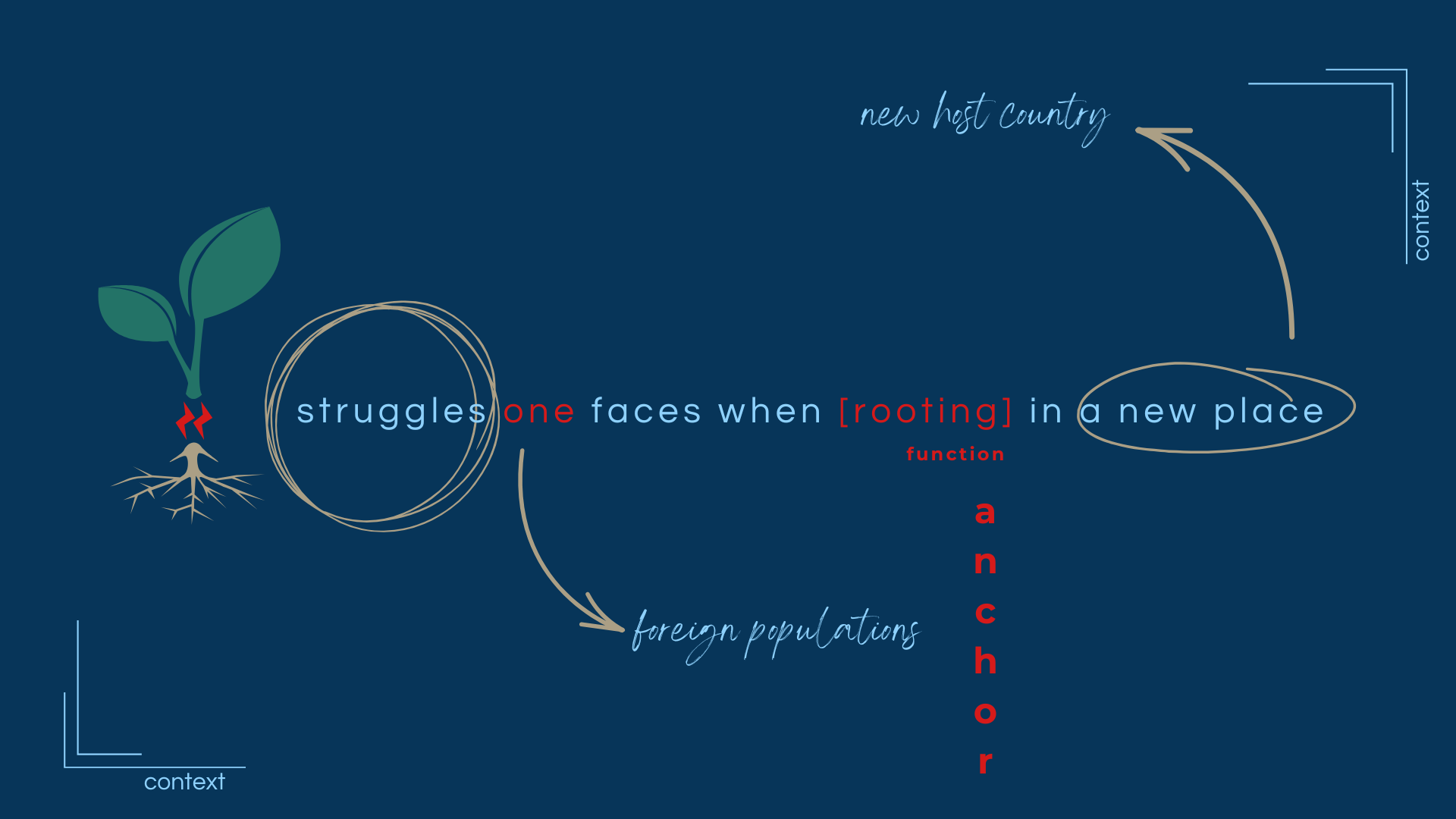
The Social Challenge: struggles one faces when rooting into a new place
Settling for good into a new country, adapting and integrating to a new culture and environment comes with growing pains and difficulties along the way. It’s a transformative journey that “leads—consciously or unconsciously—to the need of reconstructing the individual’s own identity.”
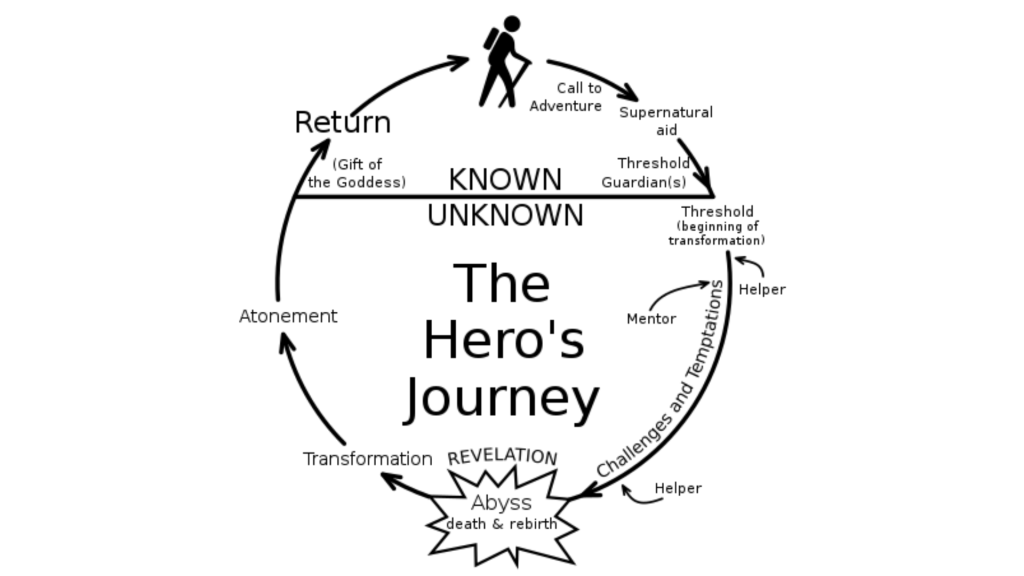
“The migrant, once arrived in the country of migration, goes through a series of processes (adaptation, assimilation, integration) in which identity changes occur.”
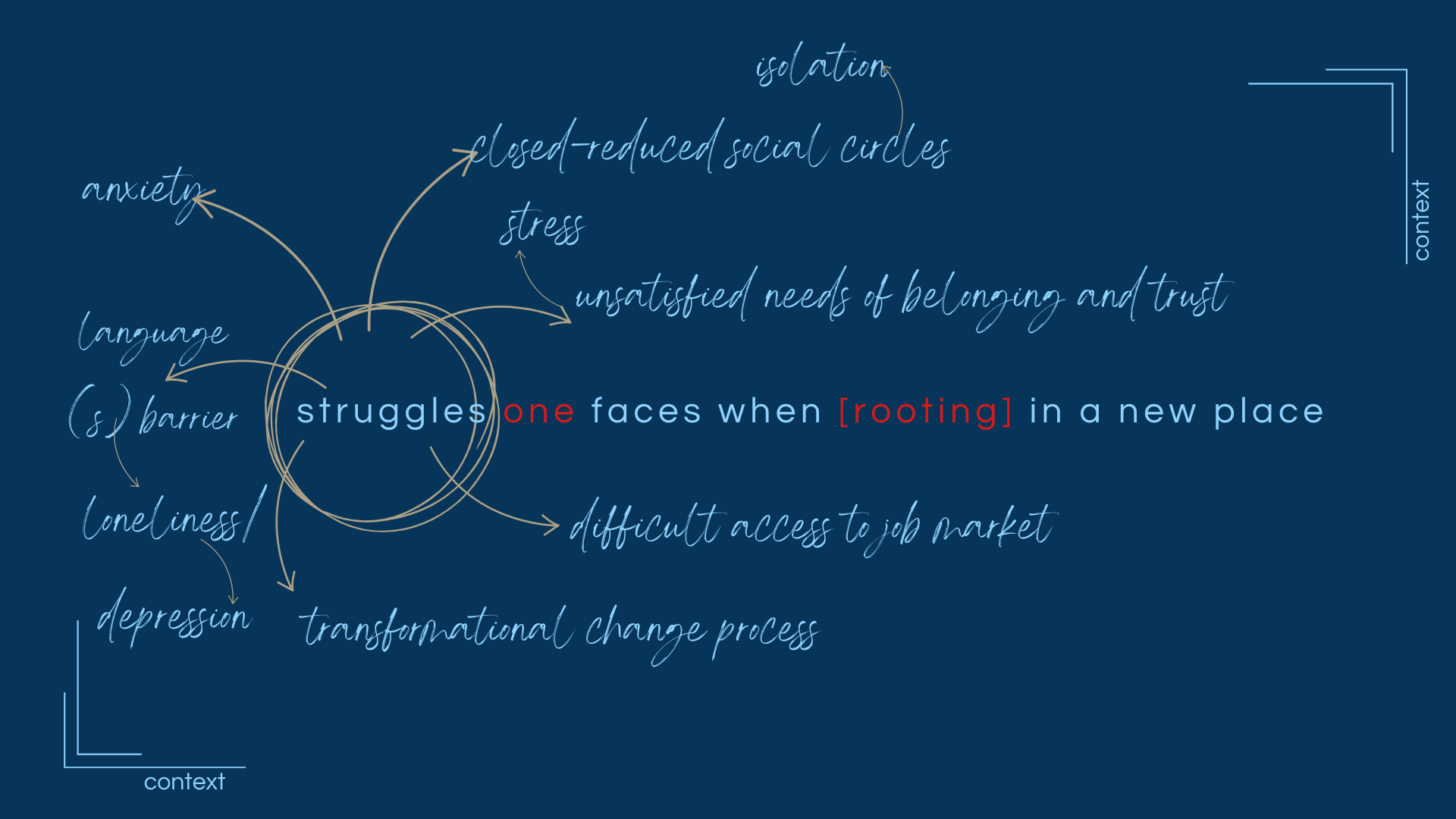
“There is robust evidence that the health status of immigrants deteriorates after a certain time in a host country. Reductionist approaches exclude critical structural factors contributing to the deteriorating health of immigrants. We must instead understand the large-scale social and political forces that impact migrants” Source: Castañeda, H. Migration is part of the human experience but is far from natural. Nat Hum Behav 1, 0147 (2017). https://doi.org/10.1038/s41562-017-0147
The Biomimicry Challenge:
What can we learn from nature, when it comes to settling, adapting and integrating?
How does nature creates a sense of place and belonging?
How does nature builds a sense of trust?
How might we improve the overall well-being immigrant experience?
How might nature become the facilitator of our integration process in a new country?
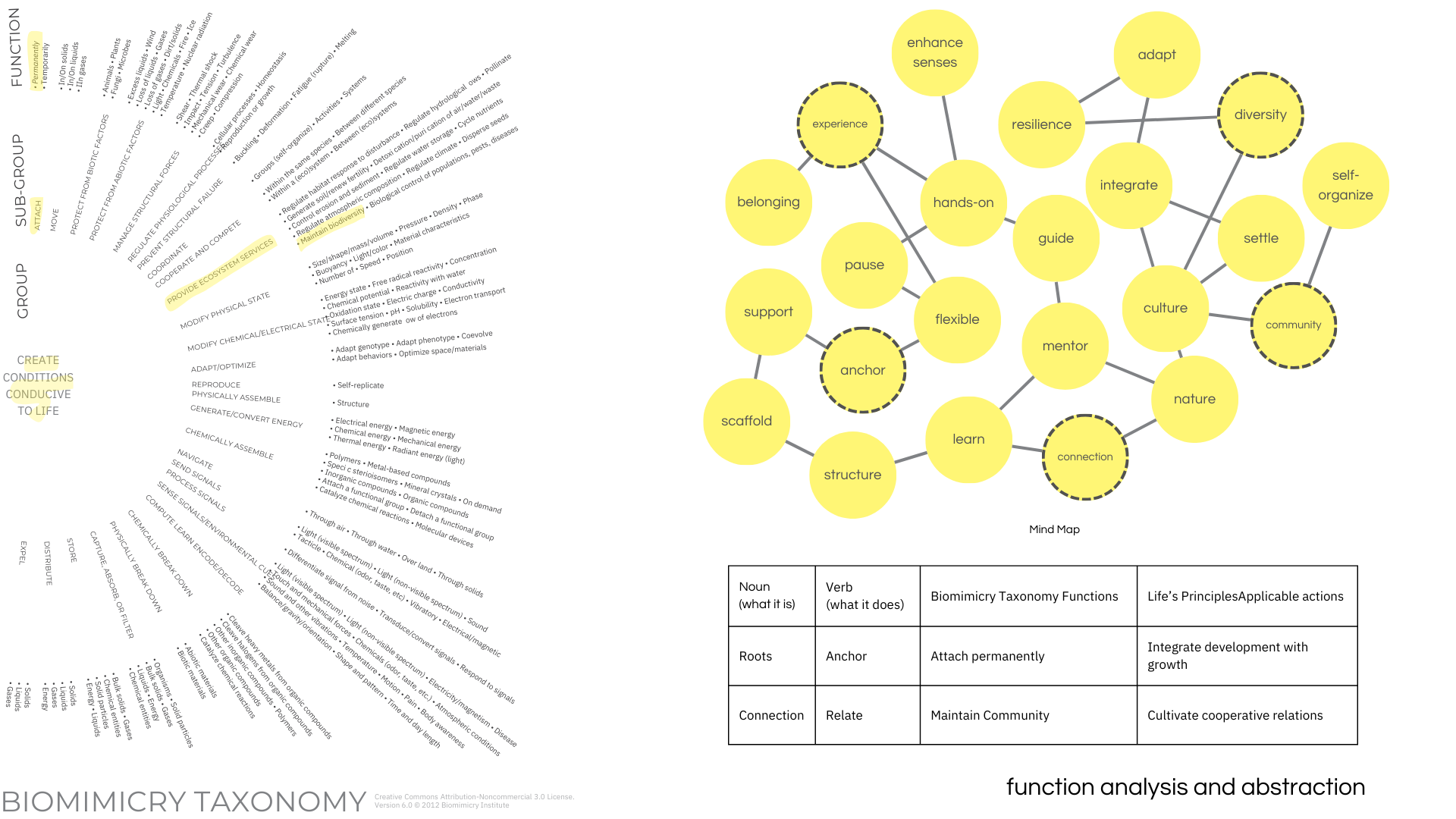
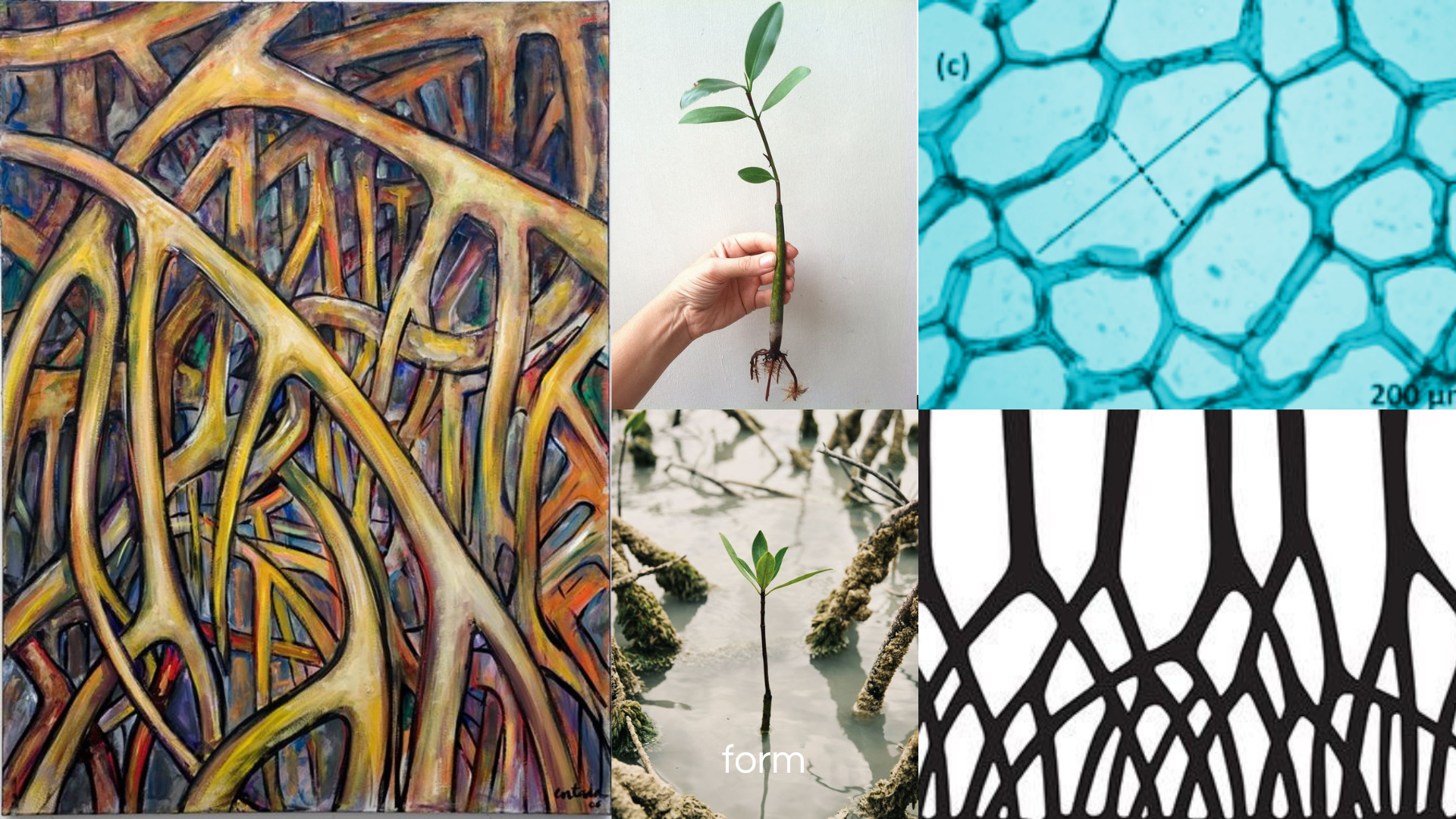
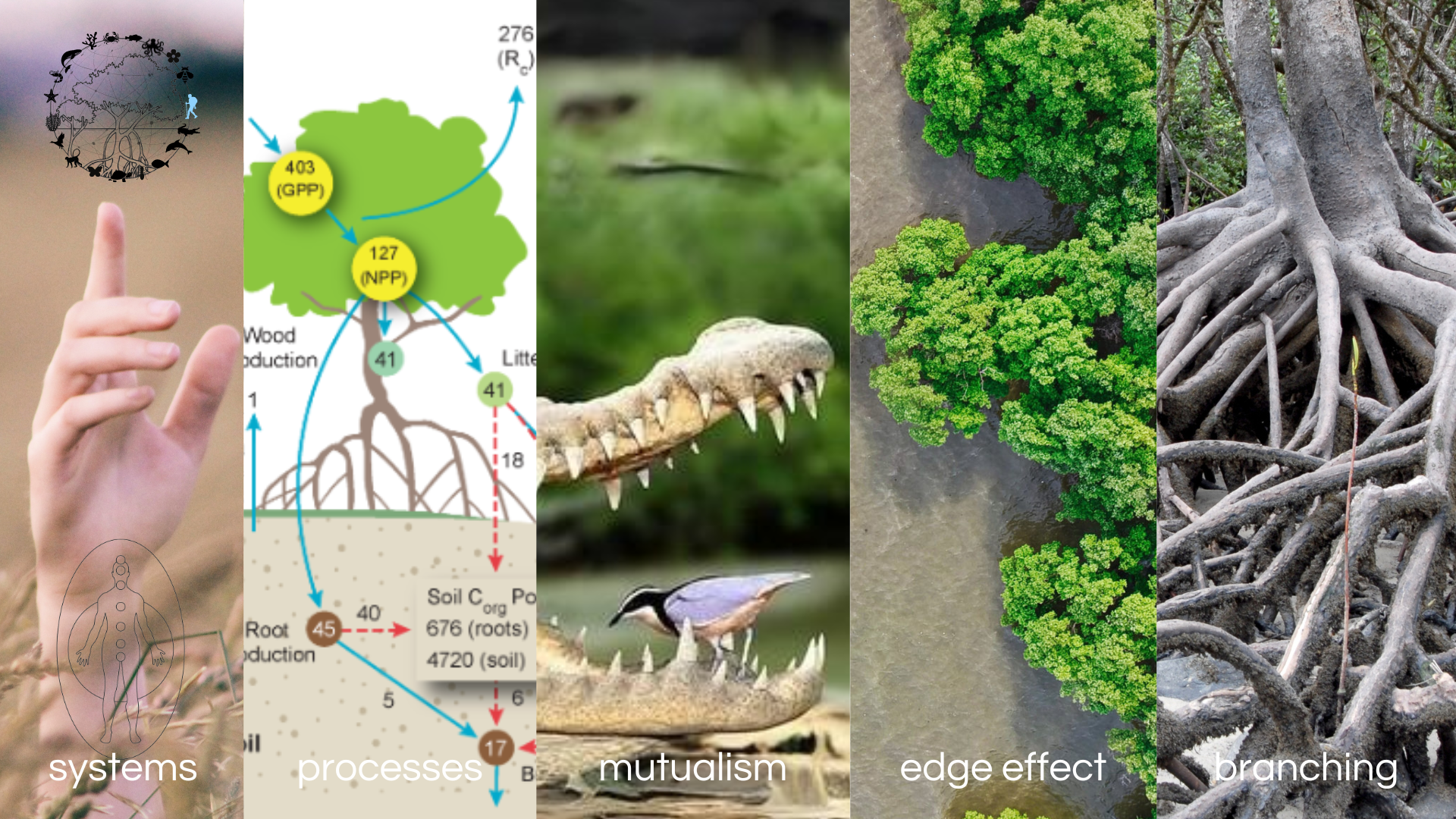
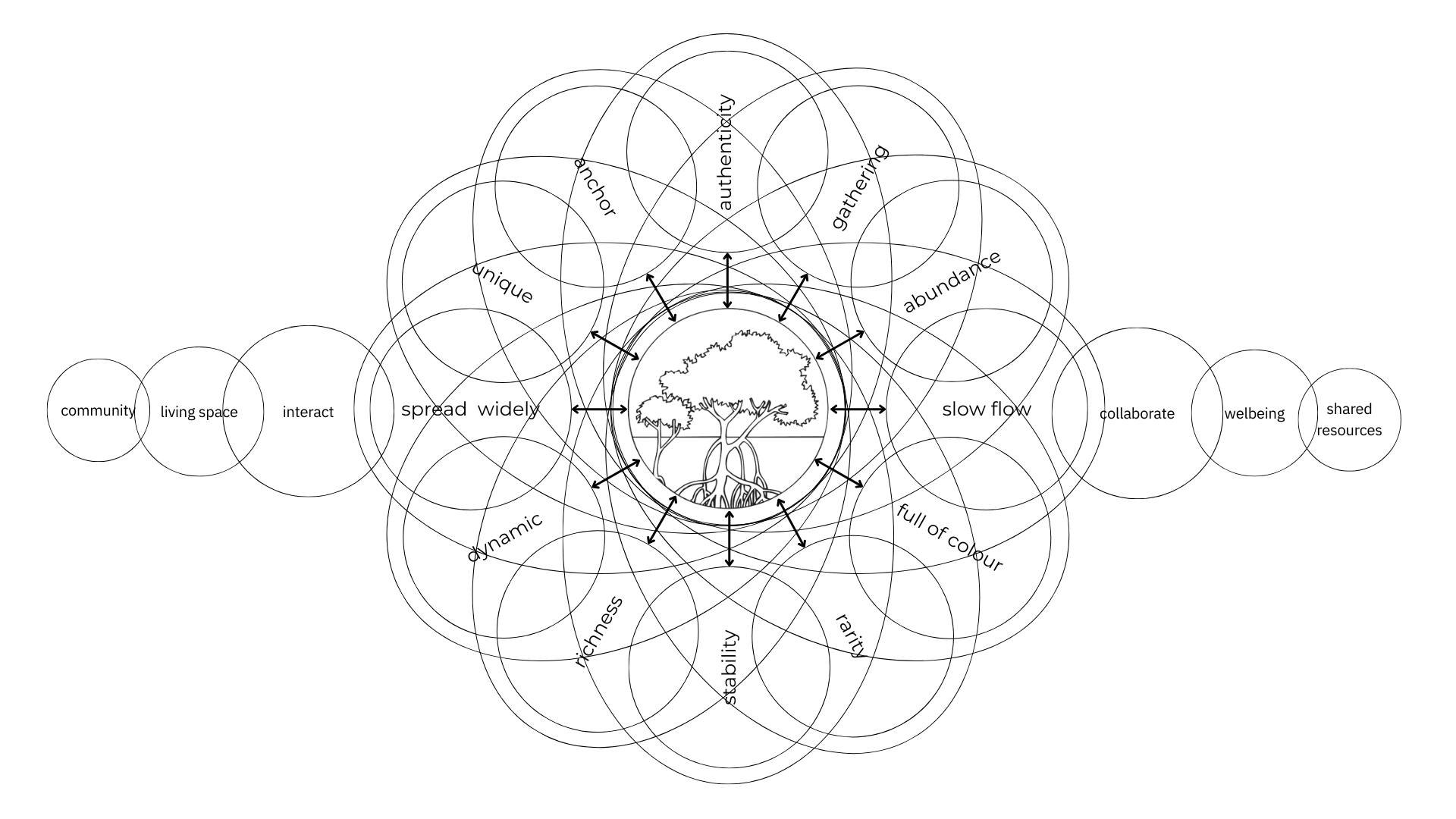
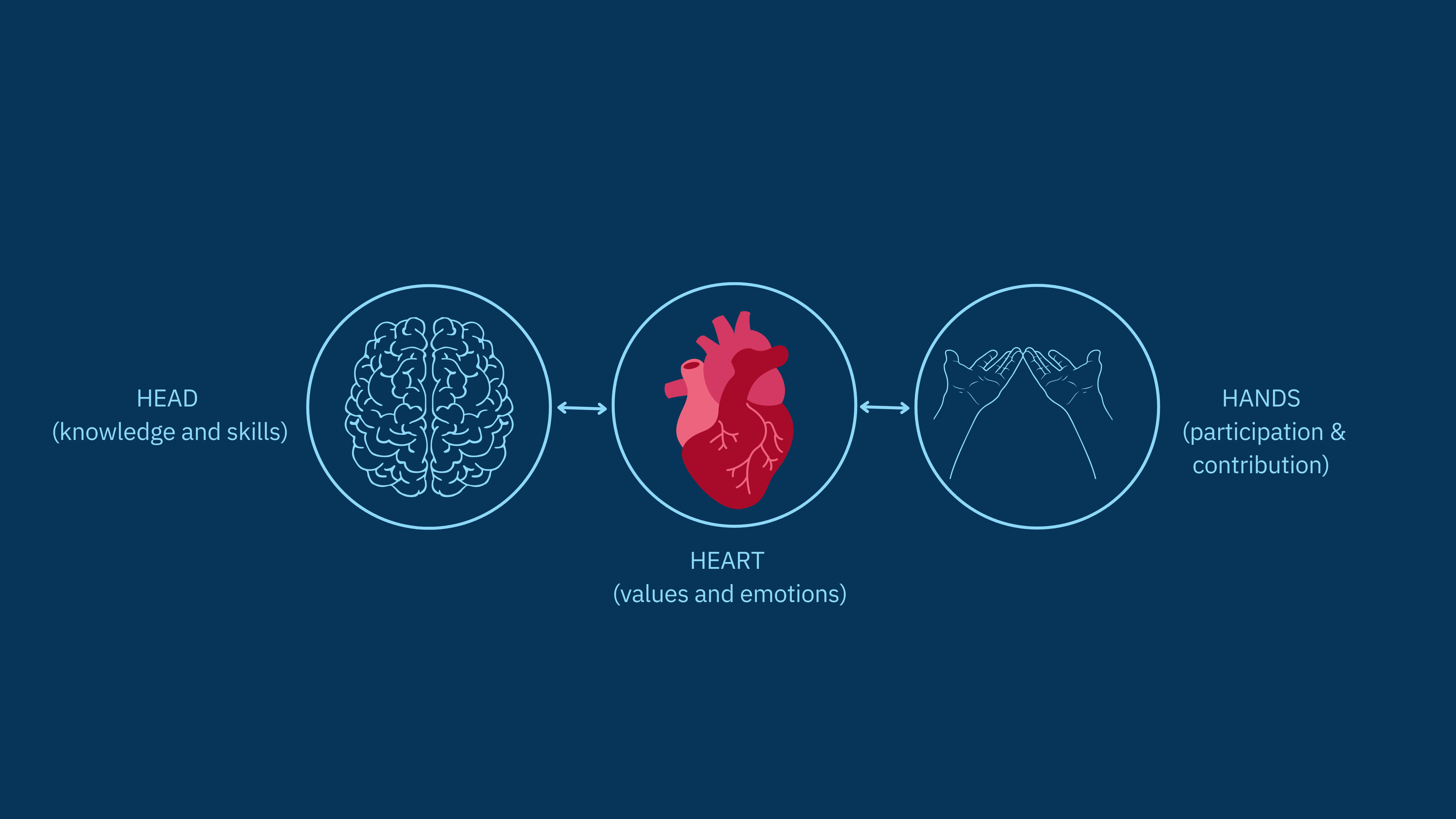
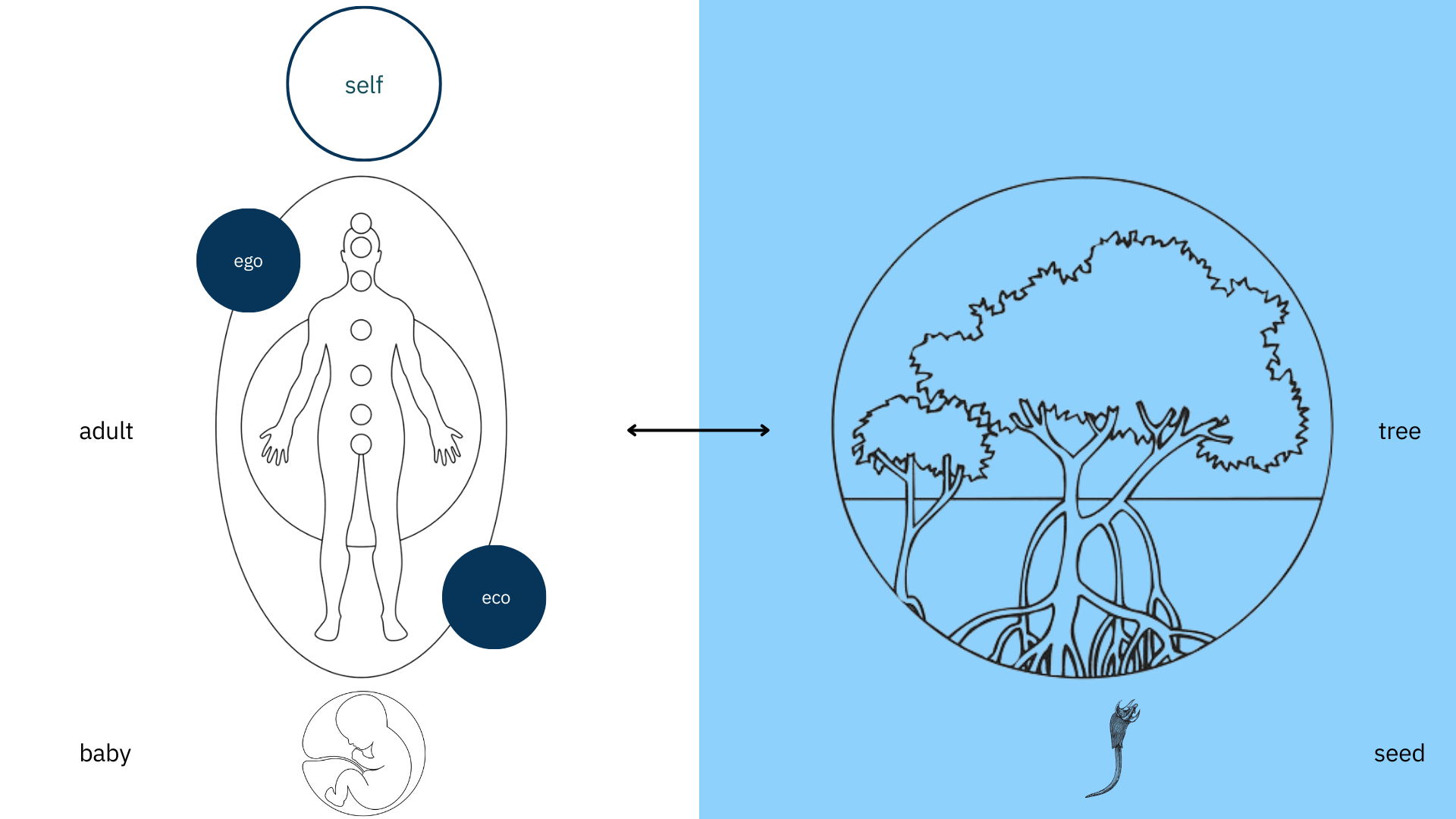
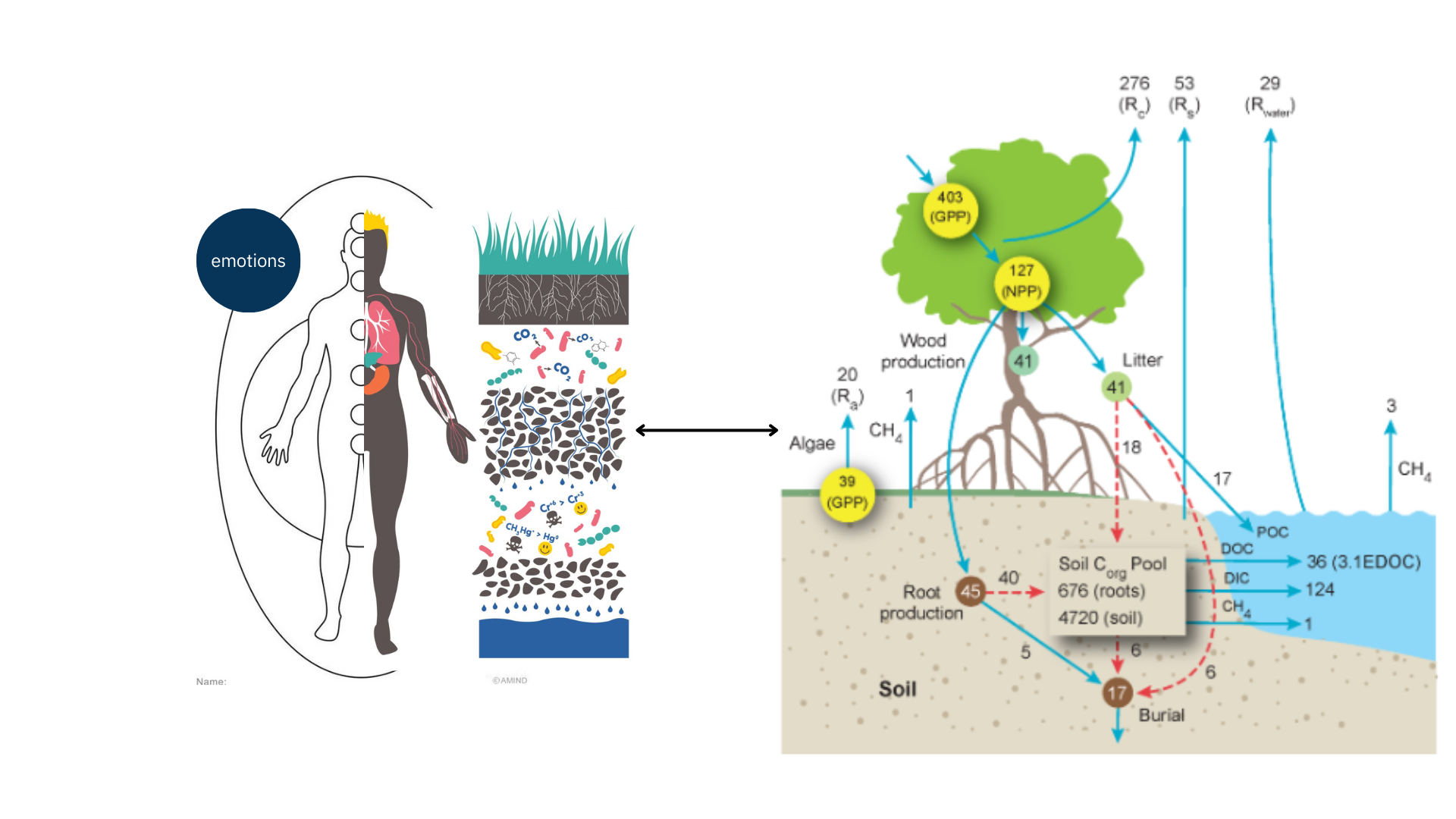
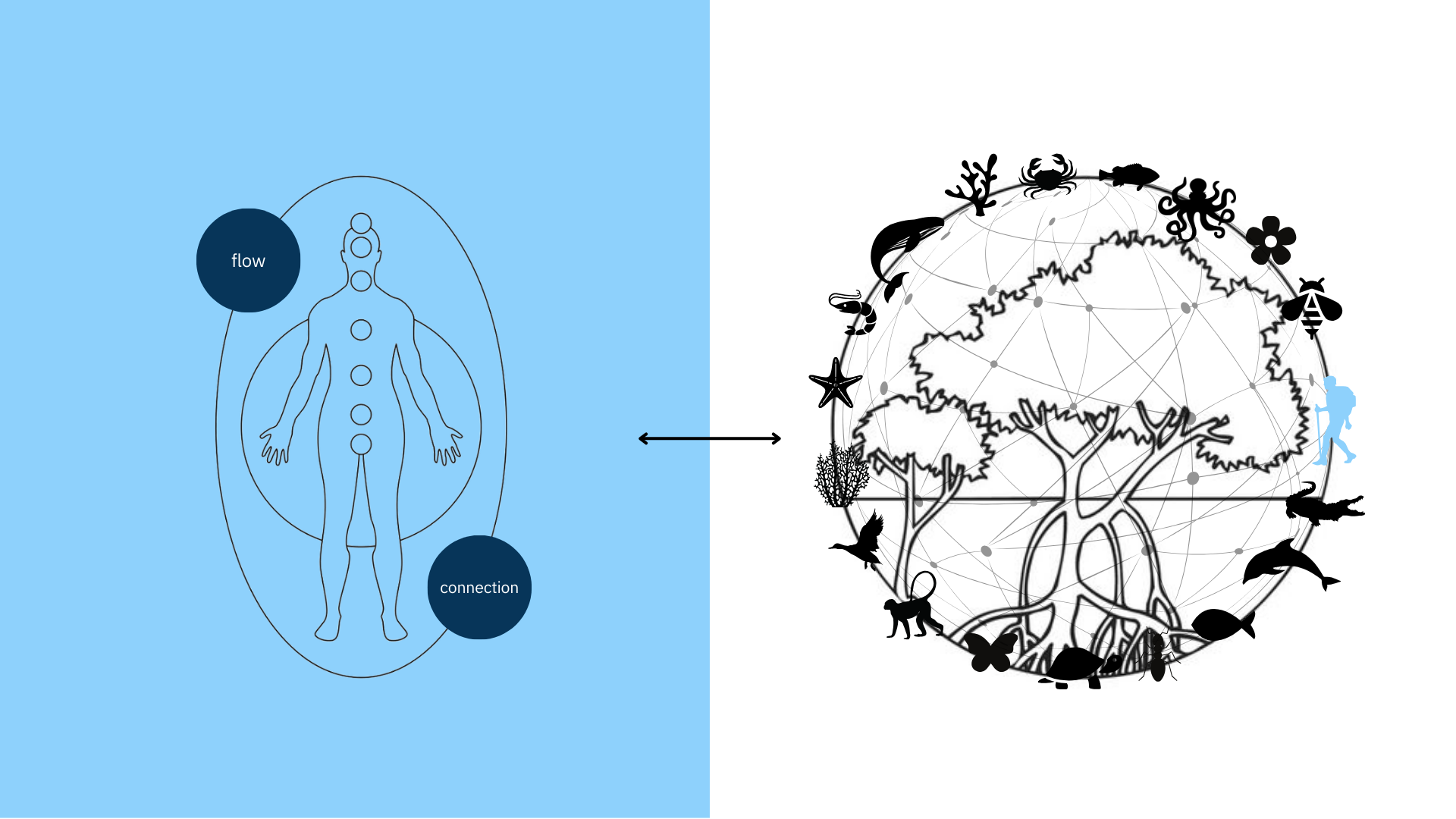
The abstraction:
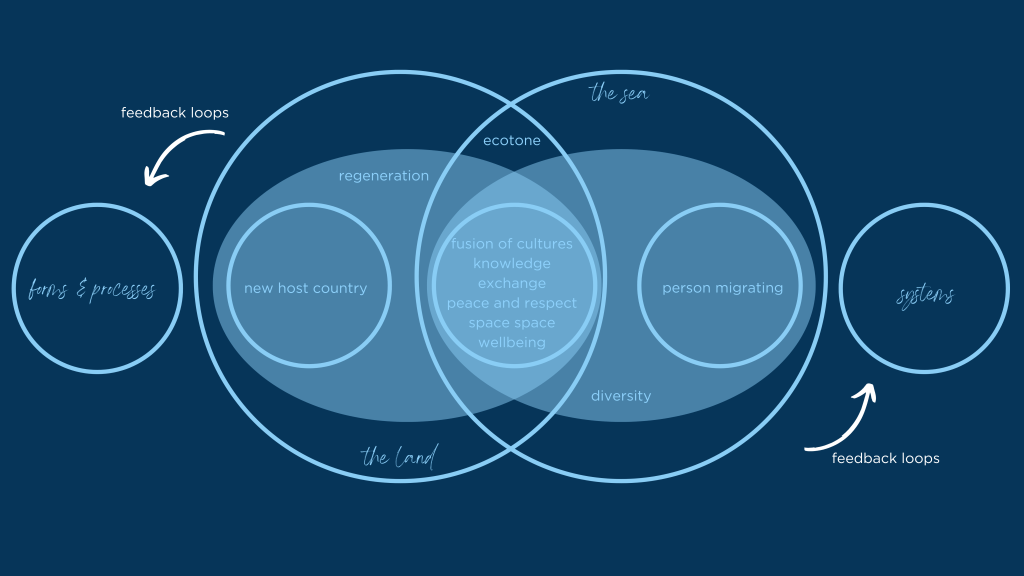
Nature as model, measure and mentor by emulating it on a form, process and system level
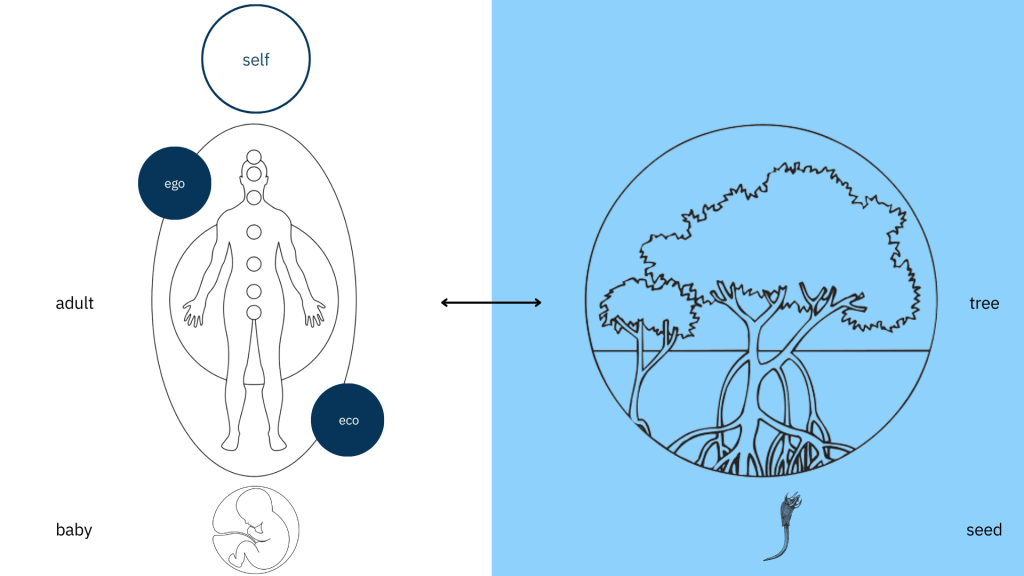
FORM
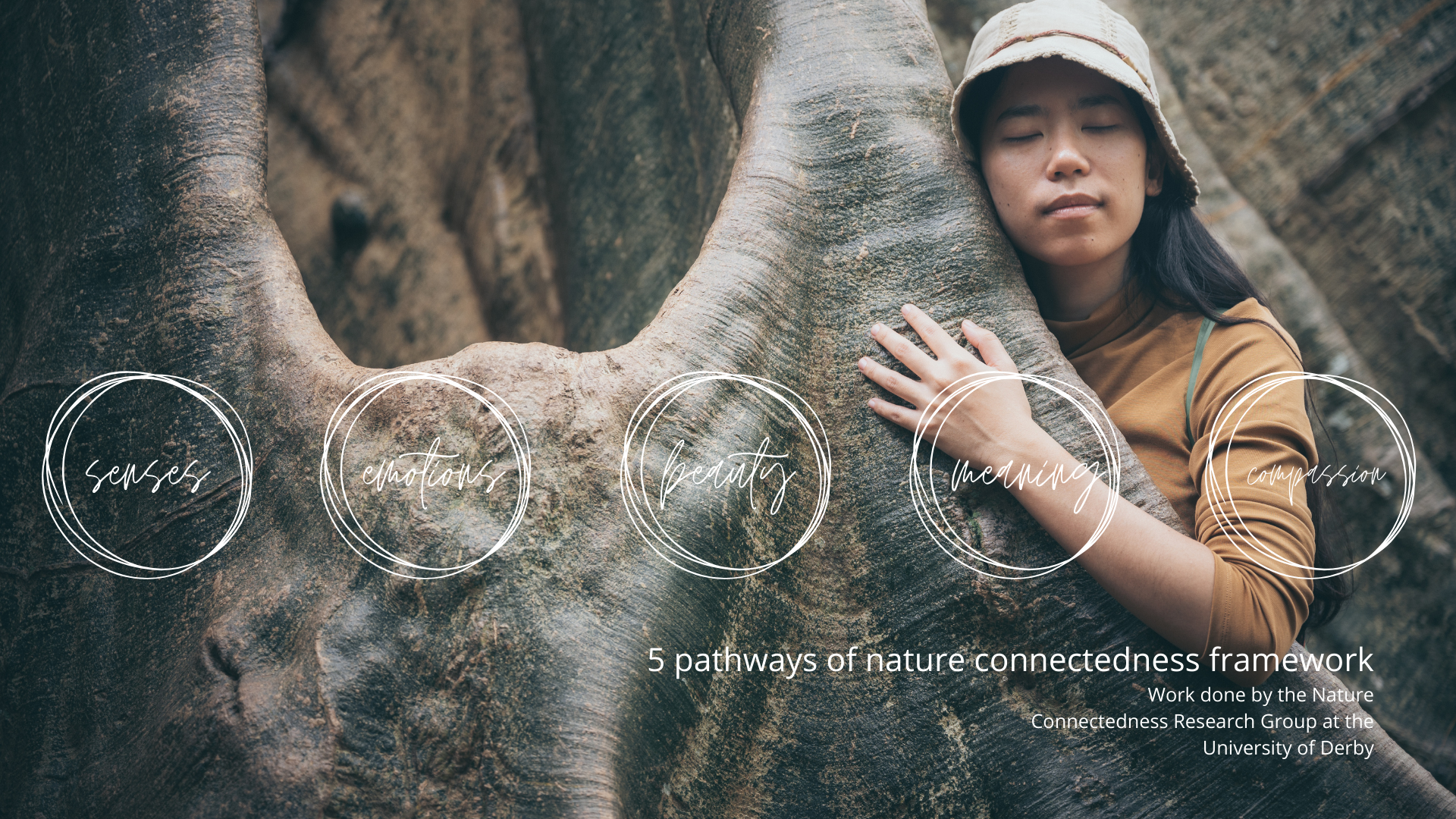
Solutions for building resilience, self-knowledge and self-awareness.
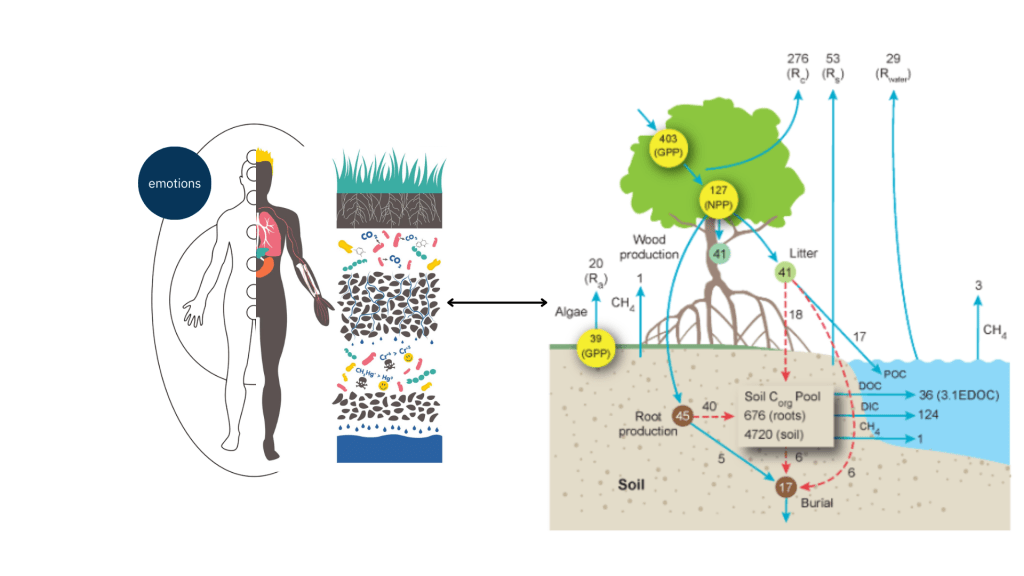
PROCESS
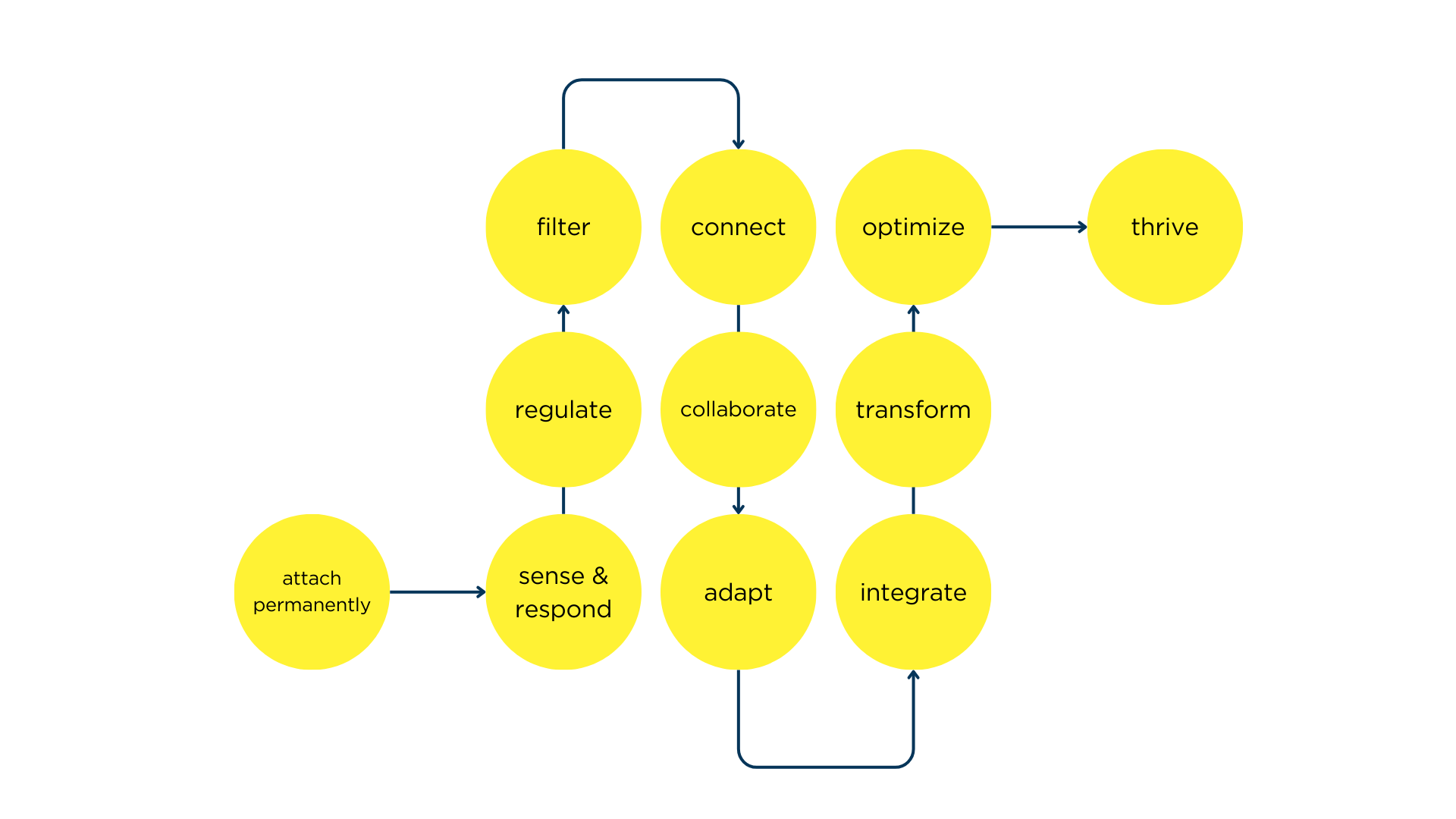
Tools and strategies to regulate our emotions and buffer life stress during tough times and help you adapt to new circumstances.
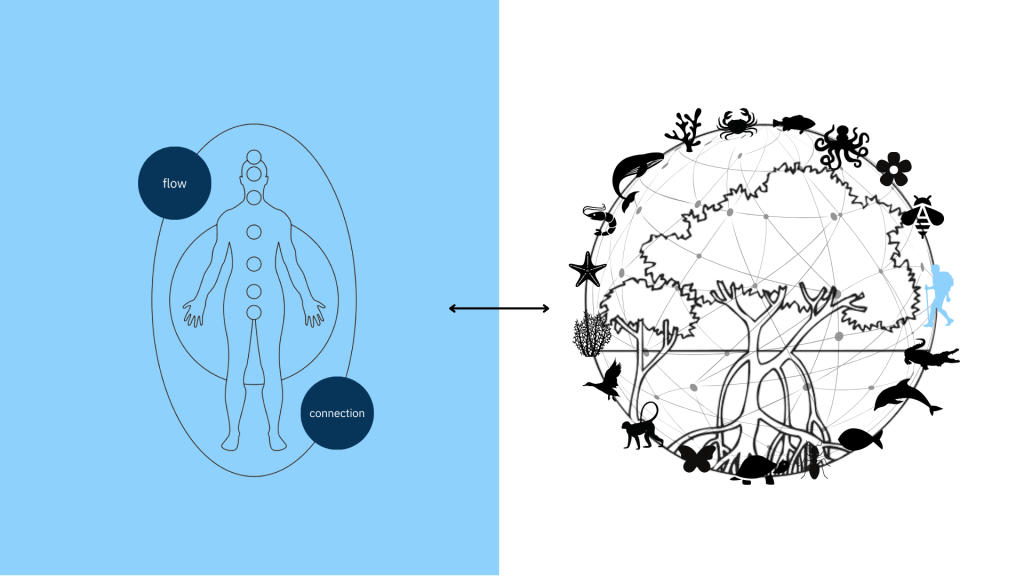
SYSTEM
Embrace complexity, harness the power of interconnection and honor the connection we have with Nature by integrating it back into our life.
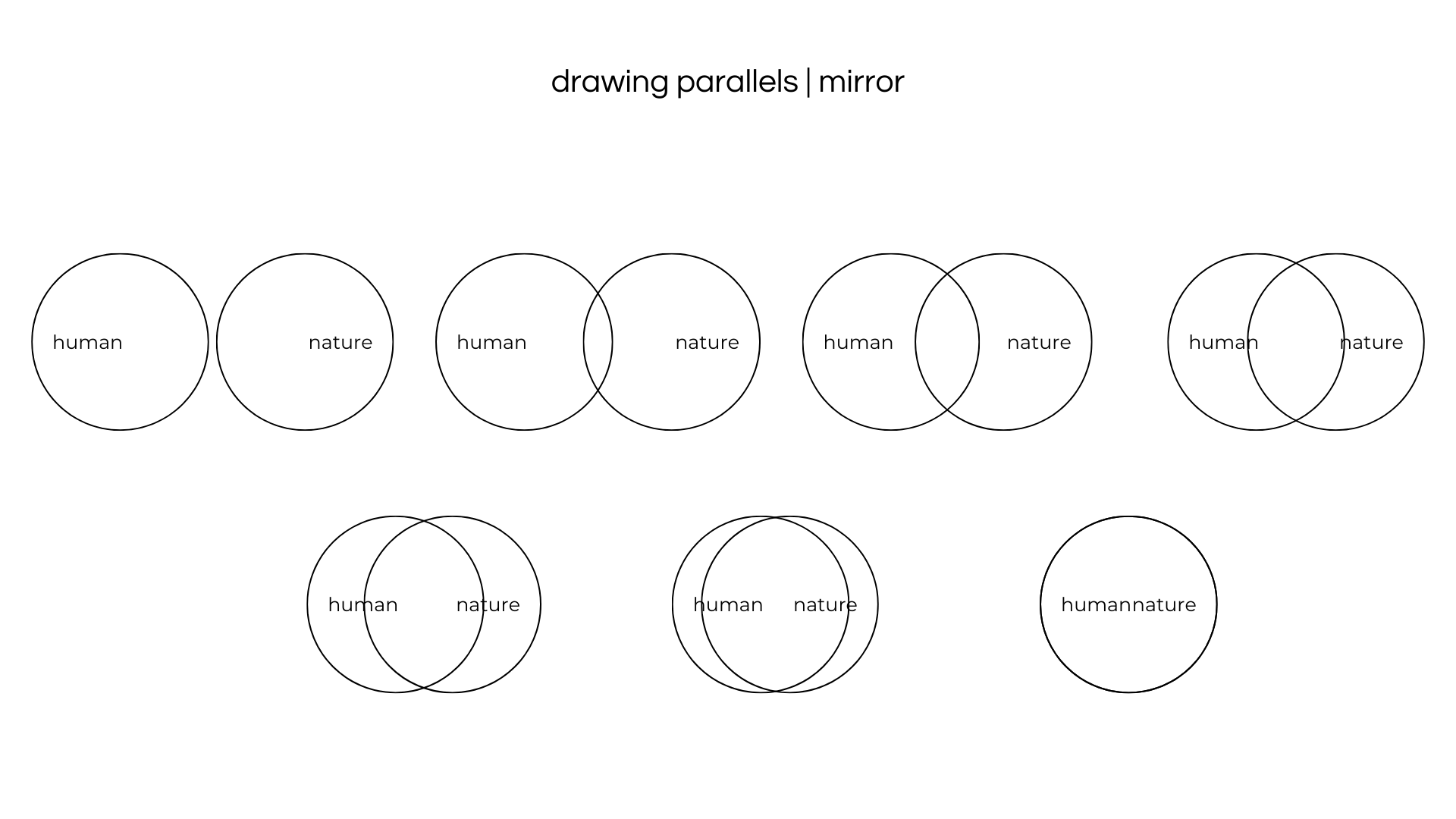
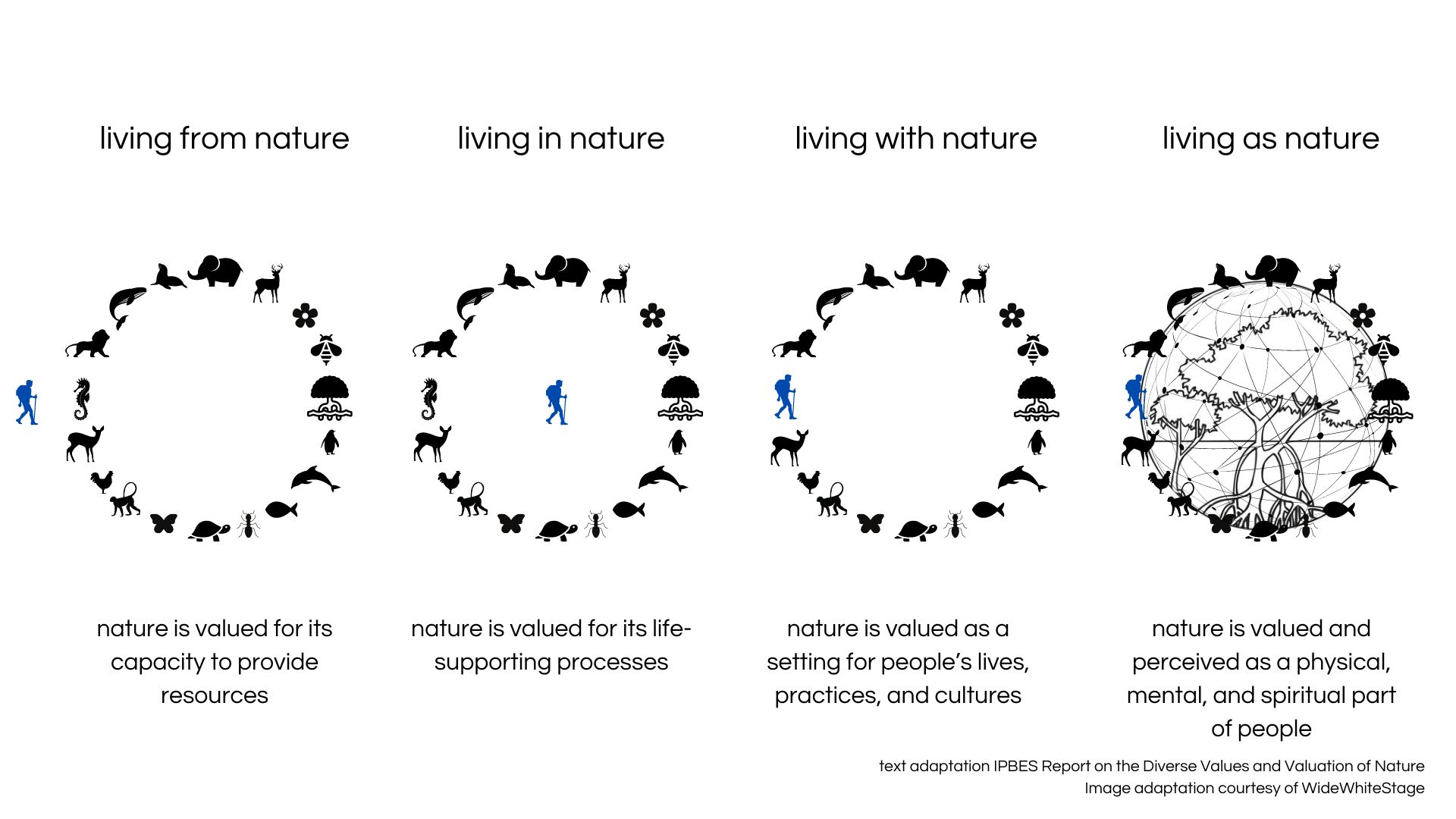
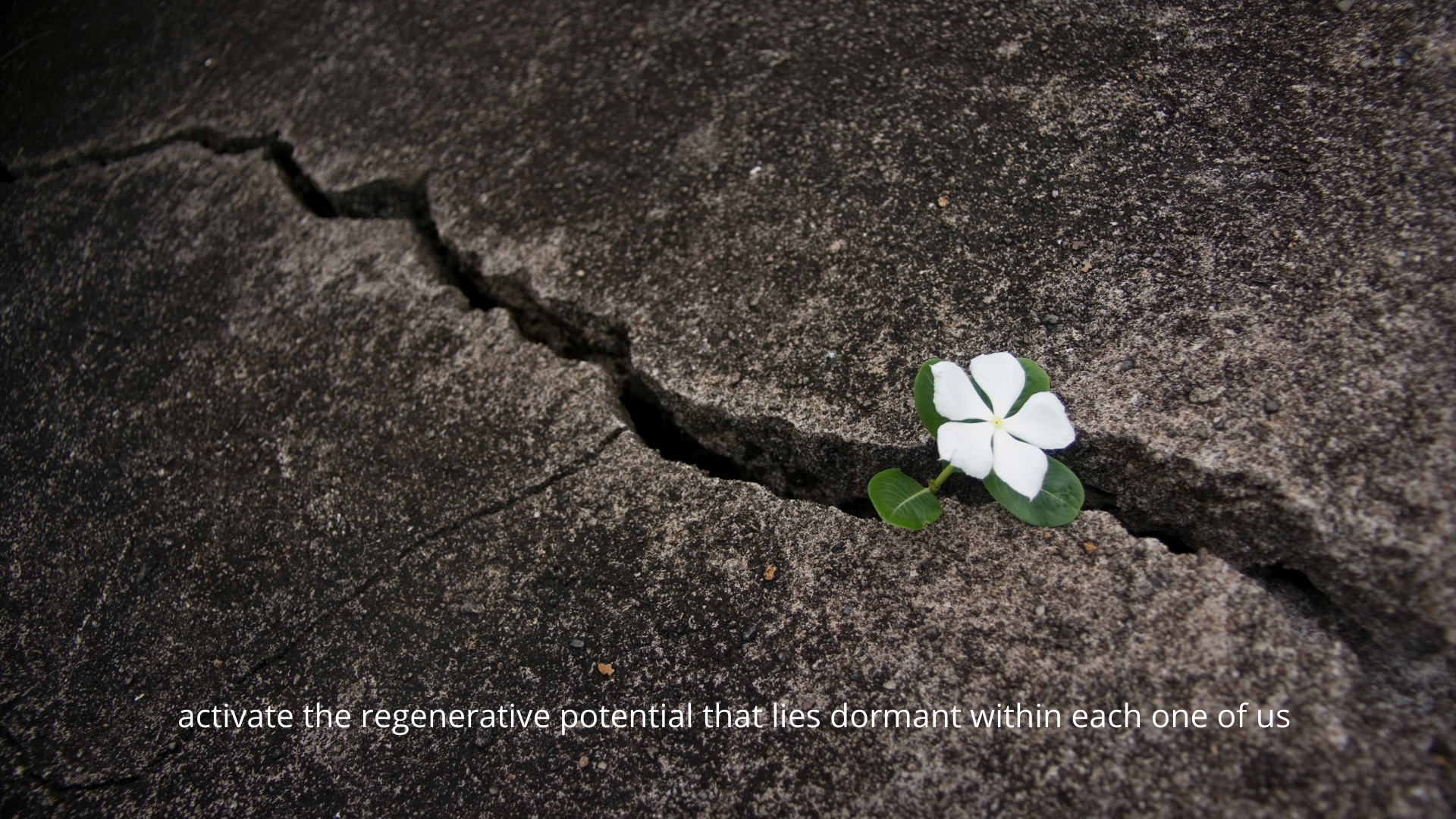
The aim of this Initiative is to facilitate a dual mindset change to recognize that “new” has become “home” and to recognize that “home” is Nature.
reframing the mindset:
[ frame ] shift
The [ frame ] shift decreases the time it takes people to recognize their need to ground themselves, to ameliorate their integration to their new host country and to ameliorate their integration to Nature, as part of Nature.
NATURE AS MODEL, MEASURE AND MENTOR
A new safe space for connection is born:
The Red Mangrove Initiative
The Red Mangrove Initiative is a nature-based solution that follows a living systems approach to connect foreign populations to their new host countries and build new regenerative communities inspired by the Red Mangrove at the form, process and system level, integrating biomimicry’s ethos & the values of biophilia while creating space for humans to reconnect to Nature.
Inspire by ecosystem services, the Initiative encourage participants to see themselves as ecosystems providing regenerative and interconnected services in alignment with Nature.
Goods and Provisions
Regulating Services
Supporting Services
Cultural Services
What people are saying
“What a great way to mimic the way Nature encourages & supports rooting in new environments, develops relationships and honours respect & inclusion! Definitely a prime need of the day as vulnerable communities adapt to climate change and other self-inflicted harm across the world.”
— Johny Paul, Biomimicry Practitioner
“Maria’s work is ambitious, inspiring and deeply creative.
I am honored to be part of the process of inventing these new initiatives that we so desperately need in the world.”
— Yuma Soares Langenbach, Biomimicry Mentor & Educator
ACTION
CALL FOR ACTION to create a society in unity promoting social transformation and planetary health
EXPERIENCE
resilience, self-sufficiency and self-awareness inspired by the Red Mangrove Forest
new experiences of human-nature connection
3 h’s approach for learning
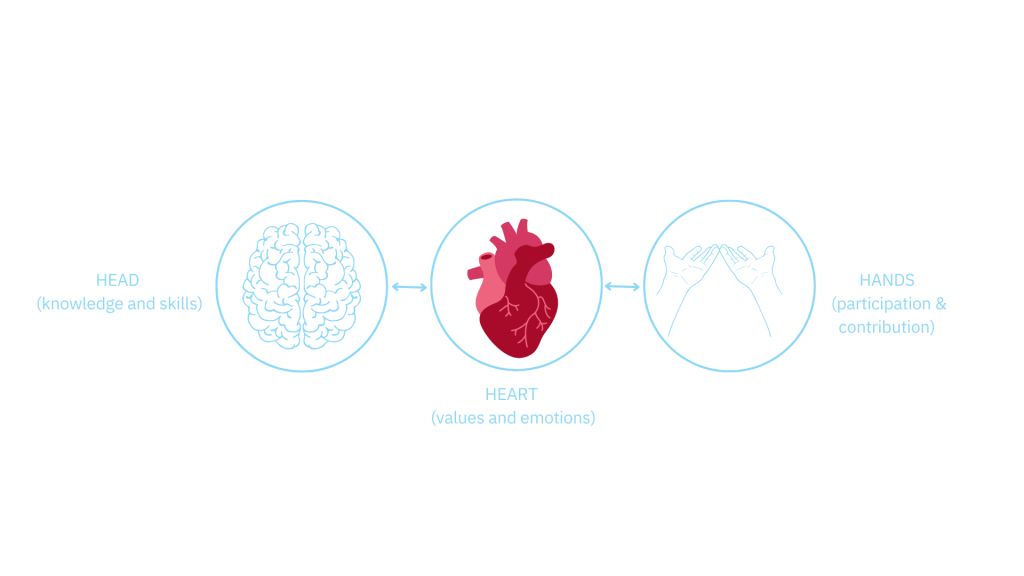
learn to be flexible, remain optimistic about the future, gain confidence in yourself and to be willing to see a threat as a challenge, just like a Mangrove Tree does
EVENTS
Community-led Initiatives for Mangroves Restoration in the Global South
Meeting point of entrepreneurial and social innovation projects across the globe created for the world by migrants, based on the principles and knowledge of nature
Bridging the gap between our commonalities and our differences, re-imagining an integrative “us” to co-create belonging
NEWS
AGENDA
wellbeing and regeneration, collaboration, respect, diversity, creativity, compassion and love for nature
PARTNERS
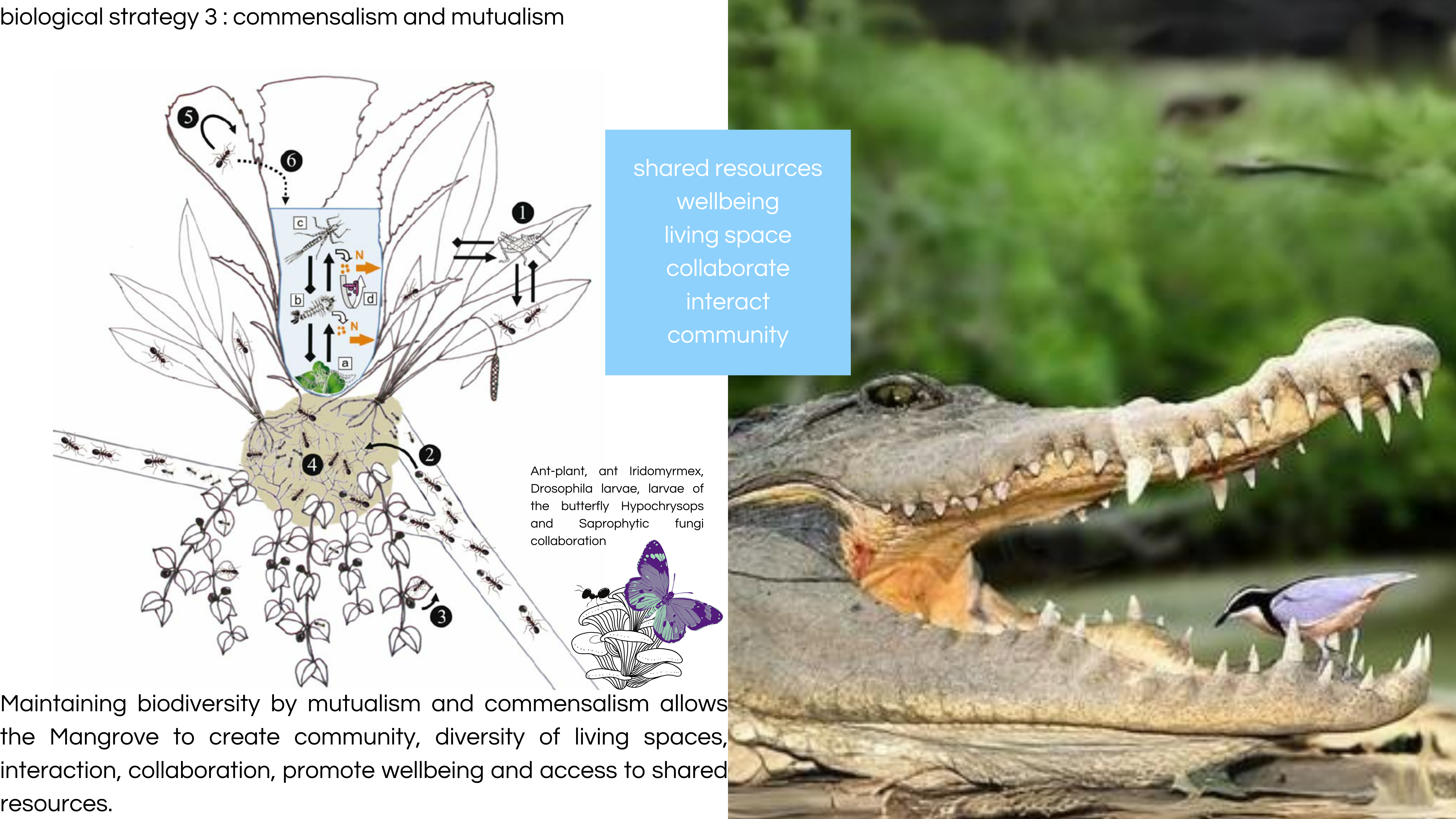
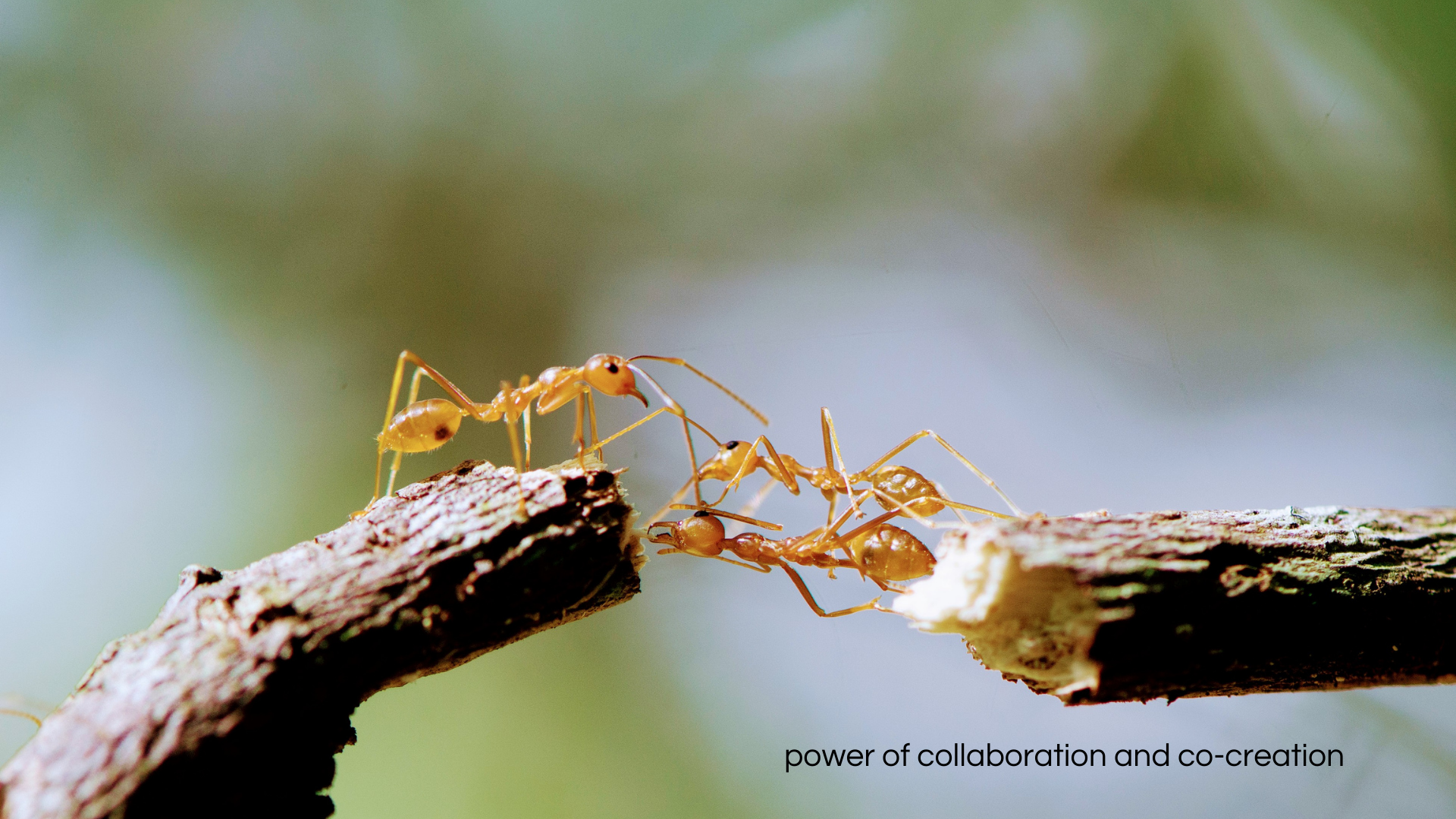
Strategic Partnerships inspired by the mutualism and commensalism between different species found in the Mangrove Forest trees.
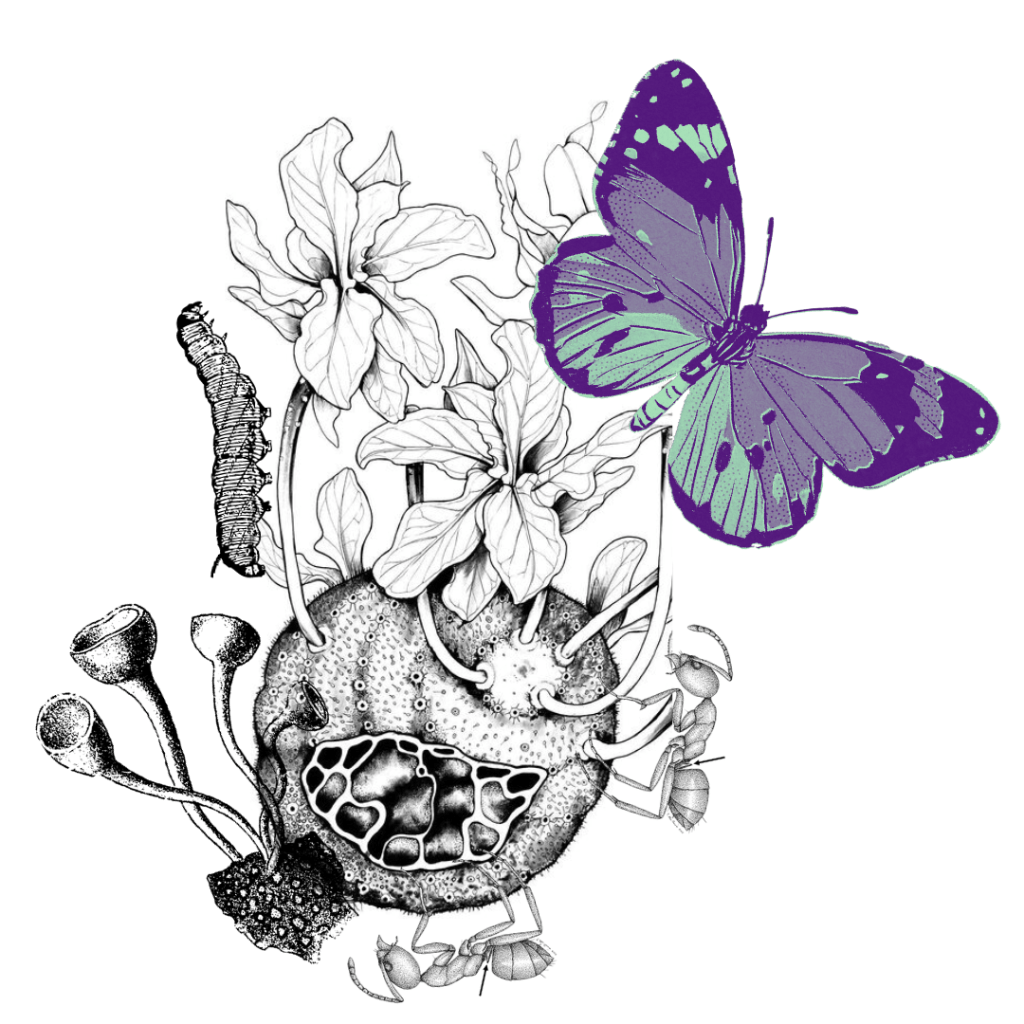
Ant-plant, ant Iridomyrmex, Drosophila larvae, larvae of the butterfly Hypochrysops and Saprophytic fungi
RESPITE SPACES
Become one with the Land
“all of our cultural forms of identities, our sense of place, our ideas of belonging, are related to nature”
Use your edge and become part of the Red Mangrove Initiative!
Thank you, The Red Mangrove Forest
¿Are you curious to learn more about the biomimicry lens?
 living.structur.es